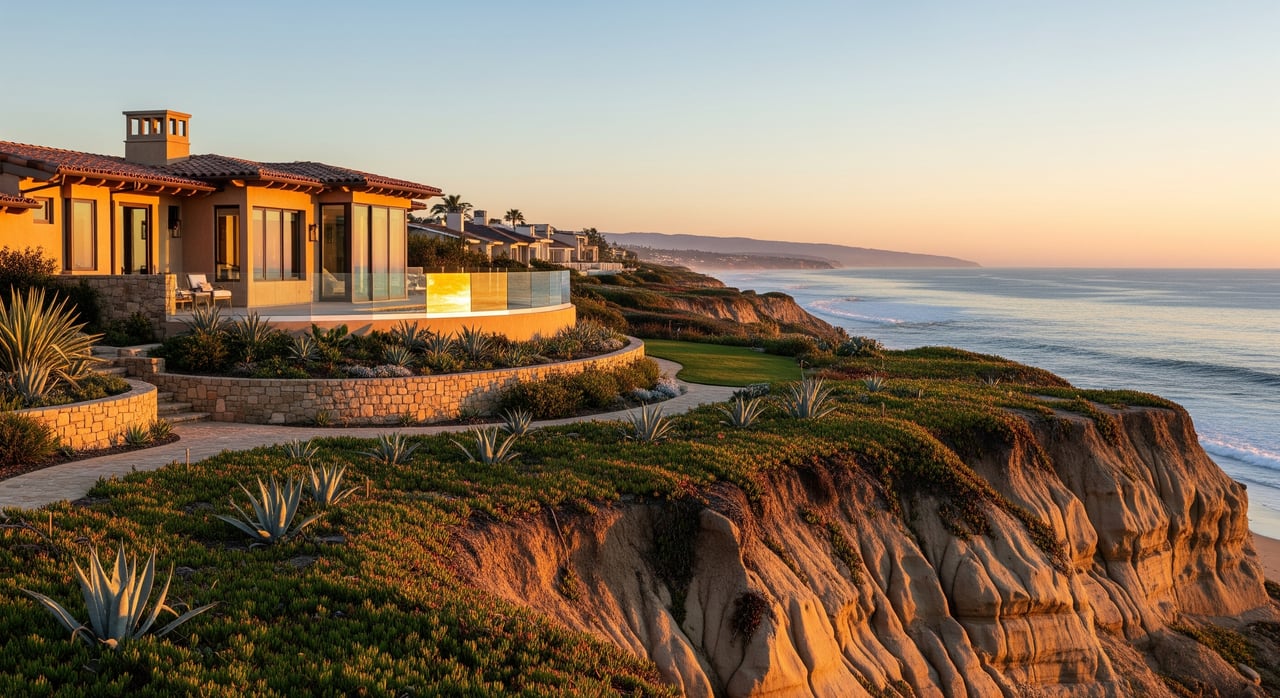
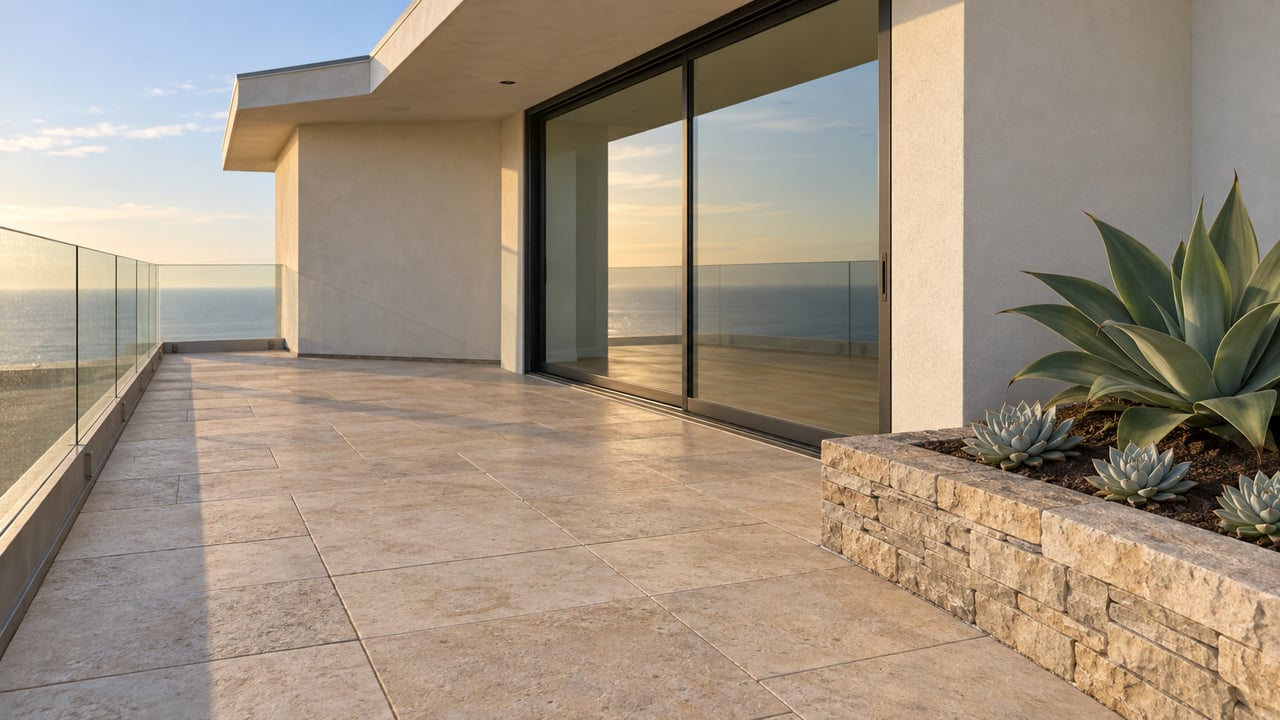
Considering a blufftop or near‑bluff home in Del Mar? You are not alone. The views and coastal lifestyle are unmatched, but the rules around coastal bluff setbacks can be confusing. Understanding how setbacks are determined, how they affect remodeling and new construction, and what to check before you buy will save you time, money, and stress. This guide breaks it down so you can make a confident decision. Let’s dive in.
What a coastal bluff setback is
A coastal bluff setback is a required horizontal distance between a bluff face or hazard line and new development. The goal is to keep people and structures out of harm’s way from bluff retreat, wave action, and other coastal hazards. Setbacks also reduce reliance on shoreline armoring, which is generally discouraged for new development.
In plain terms, a setback defines where you can safely build or expand. Anything inside that line is likely restricted or prohibited, especially for habitable space.
Who sets rules in Del Mar
Several authorities shape what you can do on a bluff property in Del Mar:
- City of Del Mar through its Local Coastal Program and municipal code.
- California Coastal Commission for statewide Coastal Act compliance and appeals.
- Other agencies may be involved for specific work near tidal waters or public lands.
Most projects near the bluffs require city approvals and often a Coastal Development Permit. Some approvals can be appealed to the Coastal Commission, which can add time and conditions.
How engineers calculate setbacks
There is no single Del Mar number. Setbacks are site specific. Geotechnical professionals evaluate the property and project to recommend a safe distance based on:
- Historic bluff retreat rates from photos, LiDAR, and studies.
- Site borings, groundwater, and slope stability analyses.
- A planning horizon that reflects the project’s design life.
- Sea level rise scenarios and how they accelerate erosion and wave impact.
- Safety factors and allowances for uncertainty and storms.
Reports often model multiple time horizons and sea level rise scenarios, then estimate how far inland the bluff could retreat. The recommended setback is measured from today’s bluff edge or a hazard line to a point that keeps development safe for the selected horizon.
What this means for building
Setbacks directly affect your buildable envelope. On blufftop lots, the available area for new or expanded structures can shrink significantly.
- New builds: Expect a site‑specific geotechnical report before formal plan submittal. Foundations, grading, and drainage will be scrutinized.
- Additions and remodels: Projects that increase square footage or alter foundations typically trigger new geotechnical review and a Coastal Development Permit. Additions within the setback may be denied or heavily conditioned.
- Shoreline armoring: New seawalls and similar devices are difficult to permit. You should not rely on future armoring to protect new development that could be sited farther inland.
Impact on value and financing
Blufftop properties often command strong premiums for views and coastal access. At the same time, hazard uncertainty and development limits can temper value for risk‑averse buyers.
- Pricing: A view premium is common, but risk and restrictions can reduce marketability compared to similar homes off the bluff.
- Lending: Many lenders require geotechnical evaluations. Some may add conditions or decline loans for higher‑risk sites.
- Insurance: Standard homeowners policies typically exclude gradual land movement and erosion. Flood policies address flood, not necessarily bluff retreat. Expect endorsements, exclusions, or higher premiums.
- Appraisals: Appraisers adjust for usable land restrictions and perceived hazard. On narrow or highly constrained parcels, adjustments can be significant.
Buyer due diligence checklist
Do your homework early, ideally before you write an offer or during contingencies. Focus on documents, professionals, and key questions.
Documents to review
- Current site‑specific geotechnical and geologic reports.
- City of Del Mar permit history, including past Coastal Development Permits and any appeals.
- Records of shoreline protection, emergency repairs, enforcement, or violations.
- Public hazard maps, including flood maps and regional sea level rise and erosion vulnerability resources.
- Title report for easements, deed restrictions, and any agreements tied to shoreline protection.
- Insurance loss history and quotes for flood or earth movement coverage.
Professionals to hire
- Coastal geotechnical engineer or geologist with San Diego bluff experience.
- Coastal land‑use attorney familiar with the Coastal Act and Del Mar’s Local Coastal Program.
- Local real estate agent experienced with Del Mar bluff transactions and permit histories.
- Licensed surveyor to confirm bluff edge and property boundaries.
- Structural engineer if existing structures are near the bluff edge or you plan changes.
Smart questions to ask
- Has any shoreline protective device been installed? Was it permitted and what are the maintenance obligations?
- Is there a history of emergency work or bluff repair on this or adjacent parcels?
- What hazards control the site according to prior geotechnical reports?
- Did the City or Coastal Commission place conditions that limit future changes or prohibit armoring?
- Have neighbor projects or shared drainage influenced erosion or bluff stability?
Red flags to notice
- No recent, site‑specific geotechnical report is available.
- Past denials for shoreline protection or repeated emergency permits.
- The property falls within high‑exposure erosion or sea level rise zones over short horizons.
- Title exceptions or easements at the bluff toe that complicate future protection or access.
Risk management and design options
You have options, but most focus on avoiding the hazard and managing water.
- Avoidance: Site new habitable areas farther inland, reduce footprints, or relocate elements when feasible.
- Non‑structural measures: Minimize impermeable surfaces, restore native bluff vegetation, and design drainage to keep runoff away from the bluff edge. Limit irrigation near the bluff.
- Adaptive design: Use foundations and utility layouts that allow future relocation. Consider placing non‑critical improvements closer to the bluff while keeping habitable areas landward.
- Soft options: Beach nourishment or sand backpassing may help temporarily but are often short‑term, costly, and subject to permits and ongoing maintenance.
Expect new hard armoring to be difficult to permit. Even when allowed, it can trigger mitigation and may increase erosion nearby.
Timelines and expectations
Plan for longer timelines and added upfront work.
- Studies: Site‑specific geotechnical investigations take weeks to months depending on scope and access.
- Permits: Coastal Development Permits and related approvals can take months to a year or more for complex projects.
- Appeals: If an approval is appealed to the California Coastal Commission, expect several more months for review and a hearing.
Start early, assemble the right team, and build flexibility into your schedule. The more complete and defensible your technical studies are, the smoother your permit path tends to be.
How to get started in Del Mar
If you are eyeing a bluff property, align your goals, time horizon, and risk tolerance with what the site can realistically support.
- Clarify whether you plan to remodel, rebuild, or hold long term.
- Pull the city file and any Coastal Commission records to see the property’s history.
- Commission a preliminary geotechnical assessment early. Use findings to shape your offer, contingencies, and design assumptions.
- Consult a coastal land‑use attorney on permit risk if you plan meaningful changes.
- Work with a local agent who can flag permit constraints, financing considerations, and resale implications.
You can enjoy the Del Mar lifestyle while managing risk. The key is to respect the bluff, design accordingly, and document your due diligence.
Ready to explore blufftop opportunities or prep your home for market with a strategy that balances lifestyle, value, and risk? Connect with Adrienne Mineiro for local guidance, a clear plan, and a tailored approach that fits your goals.
FAQs
What is a coastal bluff setback in Del Mar?
- It is a required distance inland from the bluff edge or a hazard line where new development is restricted to protect people and structures from erosion and wave impacts.
Who decides the setback for my property?
- A site‑specific geotechnical analysis informs recommendations, and the City of Del Mar and, in some cases, the California Coastal Commission apply policies when issuing permits.
Can I build an addition close to the bluff edge?
- Additions within the recommended setback are often denied or conditioned. Most expansions near the bluff require new geotechnical reports and a Coastal Development Permit.
Will I be able to add a seawall later if erosion worsens?
- New shoreline armoring is difficult to permit and assessed case by case. Policies expect new development to be sited to avoid needing future armoring.
How long do permits near the bluff take?
- Expect months to over a year for substantial projects. If an approval is appealed to the Coastal Commission, several more months may be added.
How do setbacks affect property value and loans?
- Views support strong demand, but hazard risk and limits on development can affect pricing, financing, insurance, and appraisals. Lenders often require geotechnical evaluations.