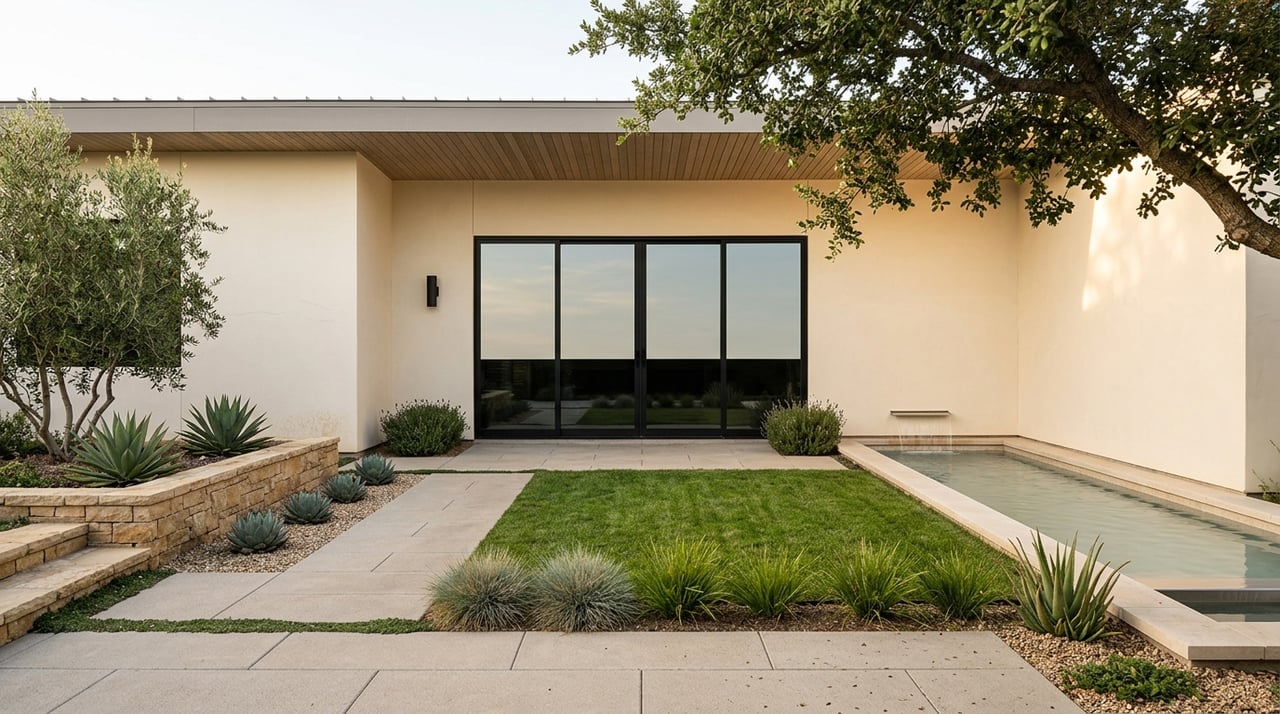
Vista vs Oceanside Homes for North County Buyers
July 16, 2026
July 16, 2026
Trying to choose between Vista and Oceanside? You are not alone. Many North County buyers end up comparing these two cities because they can offer very different daily lifestyles, even when your budget lands in a similar range. If you want a clearer way to think about space, commute patterns, housing options, and coastal access, this guide will help you sort through the tradeoffs. Let’s dive in.
Vista and Oceanside sit close to each other, but they often feel different once you start touring homes. Vista is about 7 miles inland from the Pacific Ocean and has about 99,330 residents across 19 square miles. Oceanside is larger, with about 170,942 residents across 41.3 square miles.
That size difference matters because Oceanside includes a wider range of housing types and lifestyle pockets. It also includes city beach and harbor amenities, which shape how many buyers experience the area day to day. Vista, by contrast, is often part of the conversation for buyers who want an inland setting with a more suburban feel.
For many buyers, the biggest difference comes down to what kind of home you want and how you want it to live. If you picture a detached house, outdoor space, and a more yard-oriented setup, Vista may stand out early in your search. If you want more condo, townhome, or compact-home options with easier access to the coast, Oceanside may offer more variety.
Vista’s housing element says more than half of the city’s housing stock is single-family homes. Multifamily housing makes up 37 percent, and mobile homes make up 6 percent. That mix supports the idea that much of Vista is still anchored by detached housing.
Vista’s lot standards also help explain why some buyers see it as more space-oriented. The city includes R-1 lots at 10,000 square feet, R-1-B lots at 6,000 square feet, E-1 lots at one-half acre, and A-1 lots at one acre. Those standards do not define every property, but they are a useful signal that Vista can offer a more suburban, yard-focused feel.
Oceanside also has a large share of detached homes, but the overall mix is broader. Its housing element reports 52.2 percent single-family detached units, 11.8 percent single-family attached, 8.7 percent multifamily buildings with 2 to 4 units, 22.5 percent multifamily with 5 or more units, and 4.7 percent mobile homes.
Its zoning ranges also point to a wider set of living options. Oceanside includes estate districts at 0.5 to 3.5 units per acre, single-family districts at 3.6 to 5.9 units per acre, medium-density districts at 6 to 20.9 units per acre, and high-density districts up to 43 units per acre. In real terms, that means you are more likely to find a broader mix of condos, townhomes, and smaller coastal-oriented housing choices in Oceanside.
A lot of buyers assume Oceanside will always be much more expensive because it is coastal. The citywide data tells a more nuanced story. In a three-month snapshot ending May 2026, Vista had a median sale price of $889,468, while Oceanside came in at $879,464.
That said, the price per square foot shows a clearer coastal premium. Vista averaged $499 per square foot, while Oceanside averaged $539 per square foot. This suggests that the premium is often showing up in space, location, and product mix rather than in a huge citywide median-price gap.
Census QuickFacts adds another useful comparison point. The median value of owner-occupied housing units is $762,400 in Vista and $770,300 in Oceanside. For you as a buyer, the takeaway is simple: the same budget may buy different combinations of interior square footage, lot size, and coastal convenience depending on where you shop.
Both markets are competitive, which means preparation matters. In the same sales snapshot, homes in Vista sold in about 22 days on average, while Oceanside homes sold in about 26 days. Redfin also characterized both markets as very competitive.
That does not mean every listing moves at the same speed. Larger cities like Oceanside can have bigger differences between submarkets, and both cities include homes that attract very different levels of demand. Still, the headline message is that buyers should be ready to move with a clear budget and a strong strategy in either city.
Commute patterns can shape your daily life just as much as the house itself. Both cities are connected, but they serve different routines well. Your best fit often depends on whether you prioritize rail access, beach proximity, or inland driving routes.
NCTD service makes Oceanside a stronger fit for buyers who value broader rail access. Oceanside is a major transit hub with COASTER, Amtrak, and BREEZE service. It also benefits from major road access through Interstate 5, State Route 76, and State Route 78.
If you expect to use train service often or want easier access to beach and harbor areas, this can be a meaningful advantage. For some buyers, that convenience is worth trading off a little interior space or lot size.
Vista’s transit center is a SPRINTER and BREEZE node, and the SPRINTER connects Oceanside, Vista, San Marcos, and Escondido. Vista’s city materials also emphasize the SR-78 corridor and the Vista Village interchange as a major gateway. That can support a more straightforward inland driving pattern for some North County commuters.
Average commute times are fairly close. Mean travel time to work is 26.7 minutes in Vista and 28.7 minutes in Oceanside. So while the average burden is similar, the daily feel can still be very different depending on where your job, school, or regular destinations are located.
Choosing between Vista and Oceanside is often less about which city is better and more about which tradeoff fits your life. Buyers usually end up deciding what matters most to them in the next few years. That could be space, access, transportation, or a certain kind of day-to-day rhythm.
Vista often makes sense if your priority is a detached home, a yard, or a more suburban layout. The housing mix and lot-size standards support that direction. Buyers who want room to spread out often spend more time comparing Vista homes with inland parts of Oceanside rather than with coastal listings.
Oceanside may rise to the top if you value beach days, harbor access, and stronger rail connectivity. Its larger footprint and broader zoning mix create more housing variety. That can be especially appealing if you want to balance coastal lifestyle features with a range of price points and housing formats.
One of the most helpful things you can do is compare like with like. A detached home in Vista is usually not the best apples-to-apples comparison with a beachfront or harbor-adjacent listing in Oceanside. Those homes serve very different goals and live in very different submarkets.
A better comparison is often Vista detached homes versus inland Oceanside neighborhoods. That helps you evaluate what your budget actually buys in terms of space, lot size, and location benefits. Once you narrow the comparison this way, your decision usually becomes much clearer.
If you want more suburban space, a detached-home feel, and an inland location that still keeps you connected to North County, Vista may be the better fit. If you want beach and harbor access, more transit options, and a wider variety of housing types, Oceanside may deserve a closer look.
The good news is that this is not a simple expensive-versus-affordable decision. These two cities can be surprisingly close on headline pricing, but very different in what that pricing buys you. The right move is to match your budget to your lifestyle priorities, then compare the right submarkets with a clear plan.
When you are ready to weigh Vista against Oceanside in a way that fits your goals, Adrienne Mineiro can help you compare home types, neighborhoods, and value with a local, tailored approach.
Experience a customized approach tailored to your unique real estate needs. Adrienne prioritizes your goals and ensures a seamless process from start to finish.