Key Insights on La Jolla View and Cliffside Homes
April 16, 2026
April 16, 2026
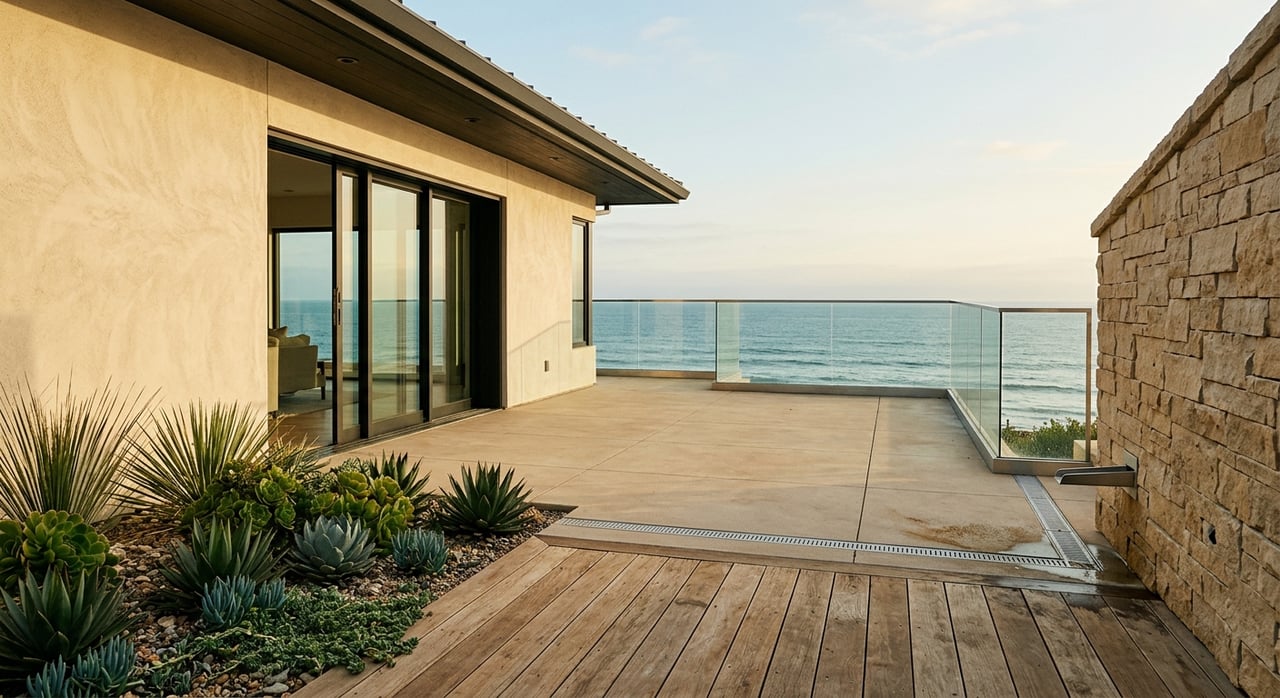
Buying a La Jolla home with ocean views or a bluffside setting can feel like the ultimate coastal move. But in La Jolla, the view is only part of the story. If you are considering one of these properties, it helps to understand how public view protections, bluff regulations, geology, and insurance can shape what you are really buying. Let’s dive in.
La Jolla is not a place with endless room to build. According to the City of San Diego’s La Jolla planning information, the community is about 99 percent built out, which means most new work is infill rather than large-scale new development.
That matters because scarcity can add appeal, but it also means many properties come with layers of history, prior approvals, and site-specific constraints. The same City planning materials also note that La Jolla is considered a community of regional and statewide significance under the Coastal Act, which helps explain why development issues tied to views, height, and shoreline conditions get close scrutiny.
For you as a buyer, that means a view home here is not just a lifestyle purchase. It is also a property type that often demands more careful due diligence than a typical inland home.
One of the most important things to understand is that local rules are designed to protect public views, not necessarily a private owner’s long-term ocean view. City planning and hearing documents show that La Jolla’s view protections focus on public vantage points, scenic overlooks, scenic roadways, and visual access corridors identified in planning documents and the coastal program.
That can catch buyers off guard. You may see a sweeping view from a deck or main living room today, but that does not automatically mean the view is legally protected forever.
In some parts of La Jolla Shores, the rules are very specific. The La Jolla Shores Planned District regulations state that certain seaward-of-Prospect subareas must preserve an open visual access corridor equal to 10 percent of the lot width, kept unobstructed from the street frontage through the rear of the property.
That is a strong example of how public visual access can affect what can be built or added later. If you are looking at a property with major remodel potential, it is smart to confirm whether the parcel sits within a mapped view corridor or whether prior approvals, easements, or recorded conditions limit future changes.
If a home is being marketed for its views, ask a few extra questions before you get emotionally attached:
A great view is valuable. A legally protected or constrained site is something different, and it is worth understanding the difference early.
Cliffside and bluff-top homes in La Jolla can be stunning, but they also carry a different level of property risk. The most relevant rules are the City’s sensitive coastal bluff regulations, which apply to development on steep coastal bluffs and related shoreline areas.
These properties may involve more than routine inspections. Site stability, drainage, grading history, and long-term improvement options can all become part of the decision.
Current City code generally requires development to sit at least 40 feet landward from the coastal bluff edge. A reduction to 25 feet may be possible, but only when a geology report shows the site is stable enough, the project will not contribute to geologic instability, and no shoreline protection is required. The same code also requires drainage to be directed away from the bluff and calls for a recorded hold-harmless or indemnification agreement in some cases, as outlined in the City’s bluff and setback regulations.
For buyers, the practical takeaway is simple: a bluff-top lot may look large on paper, but the buildable or expandable area can be much more limited than you expect.
The City’s grading permit guidance tells applicants to verify whether a site includes environmentally sensitive lands such as sensitive coastal bluffs. It also notes that preliminary or graded geotechnical reports must follow City guidelines.
If you are under contract on a cliffside property, this is not the time to skip the paper trail. Ask for:
These details can affect not only safety and future construction, but also resale value and buyer confidence later.
La Jolla’s coastal setting is one reason buyers love it, but it also means long-term planning matters. The City’s Coastal Resilience Master Plan includes La Jolla Shores among its project sites, and the City’s climate materials say sea level rise is accelerating.
That does not mean every coastal property faces the same exposure. It does mean you should evaluate a home with both today’s enjoyment and tomorrow’s constraints in mind.
When you look at a bluffside home, try to think about more than the photos and immediate setting. Consider questions like:
The best coastal purchase is often the one where the physical beauty and the technical story both make sense.
For many buyers, insurance is where the real numbers start to change. The California Department of Insurance residential insurance guide explains that standard homeowners insurance usually does not cover flood or earthquake damage. FEMA guidance says flood insurance is typically purchased separately.
That can be especially important for older homes, bluff-top properties, or homes with other exposure factors. Monthly carrying cost is not just your mortgage, taxes, and utilities. Insurance structure matters too.
Earthquake coverage is separate as well. The California Earthquake Authority offers residential earthquake insurance through participating insurers, and California insurance guidance says insurers must offer earthquake coverage for an additional premium.
If a property is difficult to place in the standard insurance market, the California FAIR Plan can provide basic fire coverage, though separate coverage may be needed to address other gaps.
Before you remove contingencies, make sure you understand:
For some homes, insurance is routine. For others, it can directly affect affordability and resale.
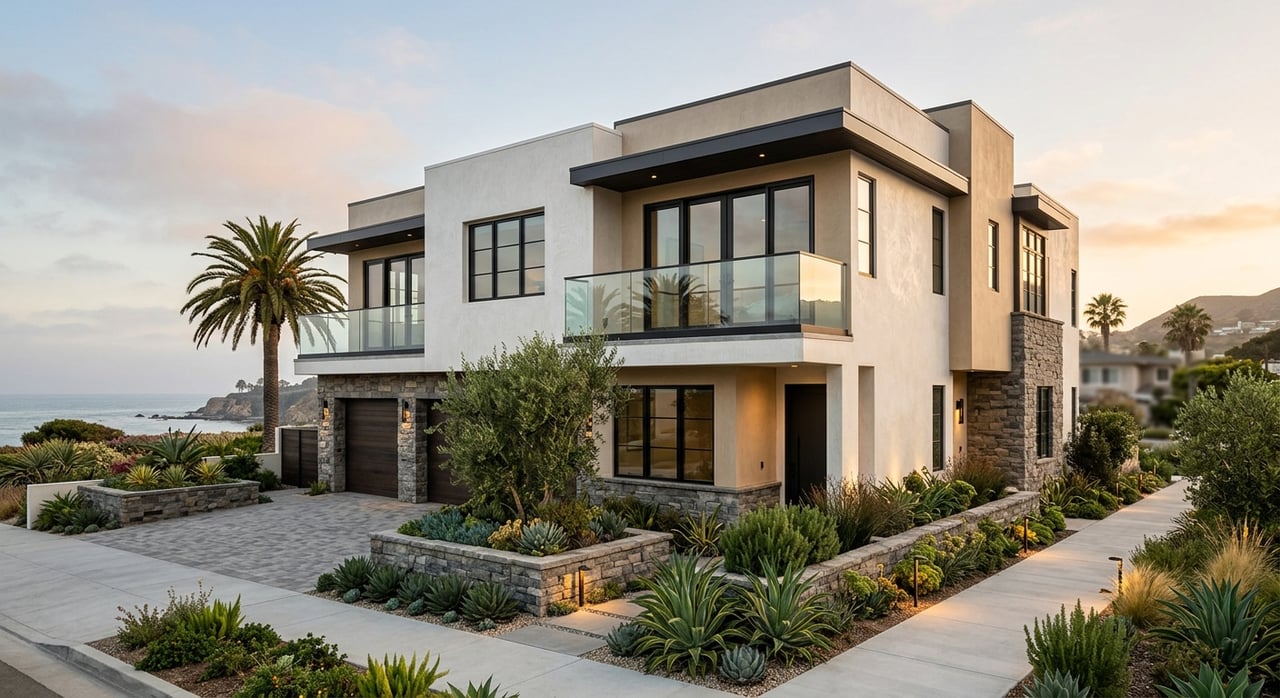
La Jolla has a rich mix of home styles. The La Jolla Historical Society notes that the area includes bungalow and beach cottages, 1920s Spanish Revival buildings, and midcentury modern homes, with roughly 200 sites having received historic designation.
That architectural depth is part of what makes the community so appealing. At the same time, on a view lot or bluff property, style does not remove the core issues.
Whether a home is a classic cottage, Spanish-inspired residence, or glass-forward modern rebuild, the big questions are often the same:
In other words, the charm of the architecture matters, but the site conditions and approvals often matter just as much.
The most successful La Jolla view-home purchases usually come down to balanced decision-making. You want the scenery, of course, but you also want clear title, credible site information, realistic remodeling expectations, and an insurance path that fits your budget.
That is where experienced guidance can make a real difference. A beautiful bluffside home may still be a strong opportunity, but only if the reports, permit history, and long-term constraints align with your goals.
If you are exploring La Jolla view or cliffside homes and want a clear-eyed strategy before you write an offer, Adrienne Mineiro can help you evaluate the details that matter most and navigate the process with confidence.
Experience a customized approach tailored to your unique real estate needs. Adrienne prioritizes your goals and ensures a seamless process from start to finish.